Drawing hands can be tricky, even for skilled artists. The shapes and movements are complex, and capturing them well takes practice and good reference. That’s why having the best books for drawing hands is so helpful. These books break down the anatomy, show various poses, and offer tips to improve your technique. They make understanding the structure easier and help build confidence when sketching different hand gestures. If you want to get better at drawing hands, choosing the right books is a smart step. They provide clear guidance and examples to study at your own pace, making the learning process smoother and more enjoyable.
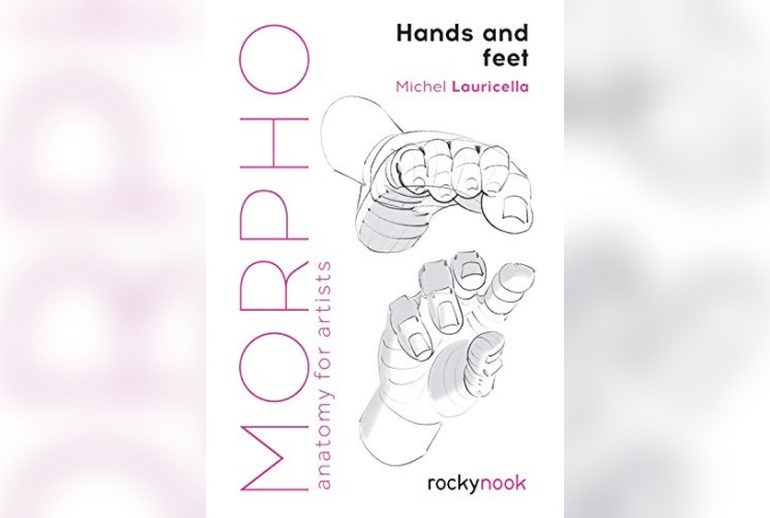
Morpho Anatomy For Drawing Hands
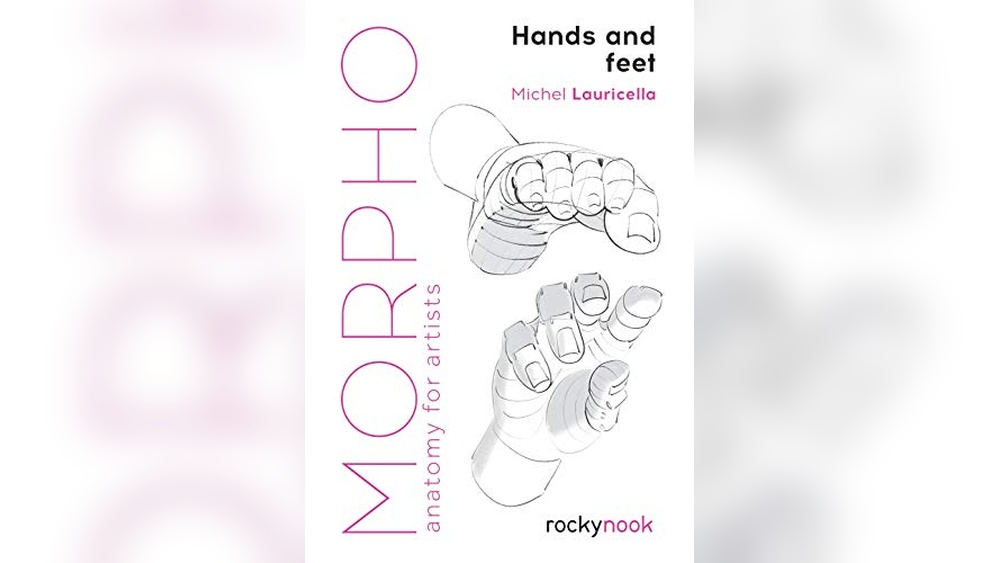
If you are looking for one of the Best Books for Drawing Hands, this detailed guide is ideal for artists who want to understand the anatomy of hands and feet for more accurate figure drawing.

What to Expect from This Guide
This book focuses on the anatomy of hands and feet, which often challenge artists due to their complexity. It offers clear, compact illustrations in a manageable 4½” x 7″ size, making it easy to carry and reference when sketching. The concise format highlights essential anatomical details without overwhelming the reader.
Using this book feels practical and straightforward. The detailed visuals help build confidence when drawing difficult hand and foot poses. Its size and layout make it convenient for quick studies, saving time otherwise spent searching through bulkier anatomy books.
Fitting This Book into Your Drawing Practice
This book is best suited for artists who want a focused study on hands and feet anatomy without extra bulk. If you prefer a compact, easy-to-handle reference, this fits well in your sketchbook collection. However, those looking for extensive tutorials or broader figure anatomy might find it limited.
The book’s small size means less room for expansive explanations, so it works best alongside practice and observation. Keep it handy when working on gesture or figure drawings to clarify tricky hand and foot structures.
- Compact size for portability
- Clear anatomy focus on hands and feet
- Useful for quick anatomical reference
- Good for artists with some anatomy basics
- Limited in scope—only hands and feet
- Not a step-by-step drawing tutorial
- May not suit beginners needing broader guidance
Thoughts on Using Morpho Anatomy for Drawing Hands
This book is a solid choice for artists who want to deepen their understanding of hand and foot anatomy specifically. It avoids fluff and focuses on the essentials, which is refreshing for those who prefer direct anatomical insight.
One downside is its narrow focus, which might disappoint those wanting a more comprehensive anatomy resource. Still, for the right user, it offers a practical, approachable tool that can improve drawing accuracy and confidence.
Guidance for Those Considering This Book
If your main goal is to improve hand and foot drawing through anatomy, this book will serve you well. It suits intermediate artists who want a clear, concise reference without extra bulk. However, if you need broad figure anatomy or beginner tutorials, this may feel too specialized.
Keep a pencil nearby to apply what you learn immediately. Remember, this book is a tool to enhance observation and understanding, not a complete drawing course. It’s a calm, steady companion in your artistic journey.
Drawing The Head And Hands Guide
This is a solid choice for artists seeking one of the Best Books for Drawing Hands, especially those focused on human figure art.

Practical Insights for Hand Drawing
This book focuses on the delicate balance of drawing the human head and hands, which can be tricky areas for many artists. It offers clear illustrations and guidance that help break down complex forms, making the anatomy more approachable. One notable feature is its good condition as a used book, providing value without sacrificing content quality.
Using this guide, the process feels structured and manageable. It gives a sense of confidence to artists who might otherwise struggle with hand proportions and details. I found the instructions straightforward, which helps save time and reduces frustration during practice sessions.
You might also like: best perspective drawing books for 2026.
Choosing This Guide
This book is well suited for artists who want to deepen their understanding of hand anatomy in figure drawing, especially those who appreciate clear visuals and concise explanations. It’s less ideal for someone looking for digital resources or highly modern techniques, as this is a traditional printed guide with a classic approach.
Expect a straightforward learning experience without flashy extras. Those needing a broad survey of figure drawing might find it somewhat limited since it focuses mainly on the head and hands.
- Ideal for detail-oriented practice on hands and head
- Good condition used copy offers affordable access
- Traditional approach suits foundational learning
- May feel limited for comprehensive figure drawing needs
- Print edition means no interactive content
Thoughtful Consideration for Hand Drawing Artists
If you are working to improve your skills specifically in drawing hands and the head, this book offers solid structure and clarity. It supports artists who want a focused, traditional art reference without distractions. However, if you prefer digital tools or a wide variety of figure drawing topics, this might not fully meet those needs.
For those ready to work steadily through hand anatomy, this guide can be a steady companion. Keep in mind it is a used book, so physical condition may vary, but it should not affect the learning experience.
Mark Crilley’s Guide To Drawing Hands
For artists seeking one of the Best Books for Drawing Hands, this guide suits those wanting clear and approachable instruction.

Practical Insights for Drawing Hands
- Clear step-by-step instructions simplify complex hand anatomy.
- Focus on natural hand poses helps with realistic figure drawing.
- Multicolor illustrations highlight key structural points.
- Compact size makes it easy to carry and reference while drawing.
- Good balance between technical detail and approachable teaching.
Areas to Consider
- Lacks extensive advanced techniques for highly experienced artists.
- No digital drawing tips included, focusing solely on traditional media.
- Some may find the pace a bit slow if seeking quick results.
This book offers a focused approach to mastering hand drawing, addressing common challenges like proportion and gesture. Its clear visuals and explanations help build confidence without overwhelming the reader. Using it feels like having a patient tutor guiding you through each step.
Is This the Right Pick for You?
If you are a beginner or intermediate artist wanting a practical and clear reference on drawing hands, this book fits well. It suits those who appreciate learning with visuals and prefer traditional drawing methods.
However, if you’re an advanced artist seeking in-depth anatomy or digital techniques, this might feel limited. Also, if you prefer very fast-paced tutorials, this book’s steady approach may not match your style.
- Artists focused on figure drawing basics.
- Students needing straightforward, visual guidance.
- Those who want a physical book to flip through during practice.
A Thoughtful Choice for Hand Drawing Practice
This guide is best for artists who want to build solid hand-drawing skills without jargon or overload. It’s practical and paced for steady progress, which helps ease frustration that often comes with this tricky subject.
If you want quick shortcuts or latest digital tips, you might want to look elsewhere. But if you value clarity and approachable teaching, this book is a steady companion.
Try setting aside time to work through the examples patiently. That way, you gain more confidence with each sketch. Remember, drawing hands is a skill that grows with practice, and this book can be a useful part of that journey.
Drawing Dynamic Hands By Watson-guptill
For artists seeking the Best Books for Drawing Hands, this guide by Watson-Guptill offers focused instruction on human figure art.
You might also like: best figure drawing books for artists.
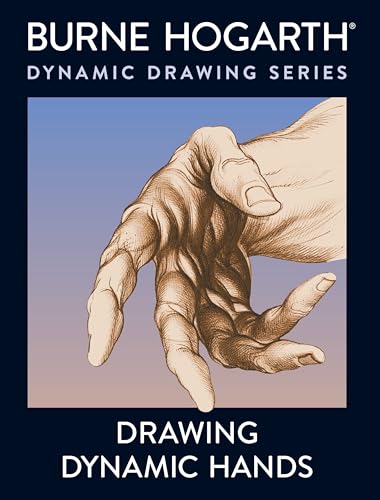
Drawing Dynamic Hands is a focused resource for artists looking to improve their ability to render hands accurately. It addresses the common difficulty of capturing hand gestures and anatomy by offering practical drawing techniques with clear, approachable guidance.
Using this book feels methodical and encouraging. The step-by-step approach helps build confidence and reduces the time spent struggling with proportions. I found it straightforward to follow, which helps maintain steady progress.
Real Use Insights
- Clear breakdown of hand anatomy and motion.
- Stepwise instructions that simplify complex poses.
- Compact size makes it easy to reference during drawing.
- Focuses exclusively on hands, avoiding distractions.
- Suitable for intermediate artists aiming to refine skills.
- Limited color use keeps attention on line work and form.
Considerations Before Buying
- Not ideal for absolute beginners seeking broad figure drawing basics.
- Minimal features like exercises or practice sheets.
- Older publication date means some stylistic elements feel dated.
- Primarily line drawings, may not suit those wanting detailed shading tutorials.
Thoughts on This Choice
Drawing Dynamic Hands provides focused insight that many artists find valuable when tackling one of the most challenging parts of figure drawing. Its concise presentation makes it a handy reference rather than an exhaustive manual.
One trade-off is its narrower scope. If you want a broader study of anatomy or a modern approach, this might feel limited. However, the clarity and directness of the material remain useful for targeted practice.
Who Benefits Most Here
This book fits artists who have some drawing experience and want to improve their skill specifically with hands. It helps those who feel stuck on hand anatomy and need a clear, structured way forward.
Beginners or those seeking a full anatomy guide may find it too narrow or simplistic. Also, artists looking for extensive exercises or contemporary style might want to explore other options.
- Intermediate artists aiming to polish hand drawings.
- Anyone wanting a quick, focused study guide.
- Those comfortable with line drawing fundamentals.
Balanced Advice for Artists
If your goal is to develop realistic hand drawings with a straightforward approach, this book can be a solid companion. It avoids overwhelming detail and keeps the focus on essential techniques.
Those needing a comprehensive anatomy textbook or modern digital art methods might find this book less fitting. For best results, use it alongside active sketching practice to build muscle memory.
Remember, drawing hands is challenging, but steady, focused study like this can make progress feel natural and manageable.
The Book Of A Hundred Hands
For artists seeking the Best Books for Drawing Hands, this guide suits anyone wanting detailed human figure art references.

Insights into Hand Anatomy for Artists
This book offers a clear and focused collection of hand studies to help artists understand the form and movement of hands. It addresses the challenge of capturing realistic hand poses, which many find difficult, by providing numerous detailed illustrations.
Using it feels like having a patient tutor by your side. The variety of hand positions saves time searching for references and builds confidence when sketching complex gestures.
You might also like: best books for drawing portraits 2026.
Who Benefits Most and Who Might Look Elsewhere
This title fits artists who want a dedicated, anatomy-based book focused solely on hands, especially those working on human figures. If you prefer books with step-by-step tutorials or modern photography, this might feel limited.
It suits traditional artists and those comfortable interpreting line drawings rather than photographic references.
- Ideal for detailed study of hand anatomy
- Good for practicing varied hand poses
- Compact and focused content
- Less suited for beginners needing tutorials
Thoughtful Considerations for Drawing Hands
If you are refining your skill in drawing hands and need a solid visual reference, this book can be a reliable companion. It’s best for those who appreciate anatomical accuracy over instructional steps.
However, if you want a broader art guide or more interactive learning, this might not meet those needs. Consider pairing it with other resources for a fuller learning experience.
A practical tip: use the sketches as a starting point to explore hand gestures in your own style while keeping the anatomy in mind.
Rest assured, this book has served artists for decades as a steady reference for one of the most challenging parts of figure drawing.
Perspective Drawing Handbook
For artists looking to improve their hand drawing skills, this book is a solid pick among the Best Books for Drawing Hands, especially for those focused on perspective basics.

What to Expect from This Guide
This book focuses on perspective drawing, a key skill for rendering hands realistically in space. It tackles the challenge of spatial accuracy, helping artists place hands convincingly within a scene. One notable feature is its clear, straightforward explanations designed for easy understanding.
In practice, the handbook feels approachable and handy. It doesn’t overwhelm with jargon and offers practical guidance that builds confidence. Using it can save time by cutting through guesswork, especially when struggling with foreshortening and angles.
Choosing This Book for Your Drawing Practice
This handbook suits artists who want a foundational grasp of perspective to improve hand drawings. It fits well for beginners or intermediate learners who appreciate concise instruction without excess detail.
However, if you’re seeking a book focused solely on anatomy or detailed hand studies, this might feel too broad or indirect. Those looking for in-depth hand-specific tutorials may want a more specialized resource.
- Clear perspective principles applicable to hands
- Good for building spatial drawing skills
- Concise and easy to follow
- Helpful for tackling foreshortening
- Not focused only on hand anatomy
Finding Balance in Your Drawing Library
If your goal is to improve the realistic placement of hands in drawings, this book is a useful addition. It complements anatomy-focused resources by addressing how hands fit into three-dimensional space.
You might also like: best books on pencil drawing: upgrade.
Skip it if you need detailed muscle or bone structure of hands, as it’s not specialized in that area. A good tip is to use this handbook alongside anatomy guides for a well-rounded approach.
Overall, it offers calm reassurance through clear explanations, making perspective less intimidating for artists aiming to enhance their hand drawings.
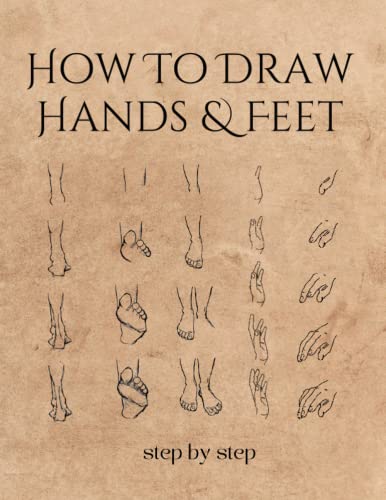
Hands And Feet Drawing Guide
For artists seeking the Best Books for Drawing Hands, this guide by Majosta offers clear steps suited for adults learning human figure art.
Practical Overview for Drawing Hands
- Step-by-step approach simplifies complex hand and foot anatomy.
- Compact size makes it easy to use as a quick reference.
- Suitable for adults developing foundational skills in figure drawing.
- Published recently, reflecting up-to-date teaching methods.
- Independent publication means unique style and pacing.
Considerations Before You Buy
- Lacks extensive advanced techniques or artistic theory.
- Minimal features or extras beyond basic drawing steps.
- Primarily focused on beginners, less helpful for experienced artists.
Thoughts on This Guide’s Usefulness
This book provides a straightforward way to learn drawing hands and feet without overwhelming details. Its structured steps help break down a challenging subject into manageable parts. However, those expecting in-depth anatomy or artistic exploration might find it limited.
In practice, the guide feels accessible and clear, which is important when tackling hand drawing for the first time. It encourages steady progress and builds confidence through simple exercises. I found it helpful as a starting point to improve my sketching speed and accuracy.
Finding Your Fit with This Drawing Book
This guide fits best for adult beginners or hobbyists wanting a simple, no-frills introduction to drawing hands and feet. It works well if you prefer clear instructions and a quick learning curve without heavy theory.
If you are looking for detailed anatomy, professional tips, or artistic inspiration, this might feel too basic and not fully satisfying.
- Ideal for self-learners and casual artists.
- Less suitable for advanced or professional figure artists.
- Great as a supplementary tool alongside more comprehensive materials.
Choosing This Book for Your Art Journey
If you want to build your drawing skills with a simple, focused guide, this book is a practical choice. It’s helpful for those who get easily overwhelmed by complex anatomy and prefer stepwise learning.
Skip this if you need in-depth artistic techniques or a wide range of examples. Instead, look for resources with more detail and variation.
A calm tip: use this book alongside live practice or photo references to deepen your understanding. It’s perfectly fine to move at your own pace and revisit steps as needed.
Overall, this guide offers a dependable starting point for drawing hands and feet with clarity and ease.
Drawing Hands & Figure Box Set
For artists seeking the Best Books for Drawing Hands, this Titan Books set offers a focused guide on human figure art.
You might also like: best books on comic drawing: increase.

What to Expect When Drawing Hands
This box set combines two volumes focused on drawing heads, hands, and full human figures. It aims to help artists overcome the challenge of capturing realistic hand gestures, which often feel complex and awkward. The clear guidance on anatomy and proportions is especially useful for improving hand drawing skills.
Using these books feels like having a patient tutor by your side. The step-by-step approach makes the process less intimidating. I found it easier to visualize the structure beneath the skin, which boosted my confidence and saved time compared to trial and error.
Who Benefits Most and Who Might Look Elsewhere
This set fits best for intermediate artists who already understand basic drawing and want to focus on the nuances of hands and figures. It’s ideal for those willing to study anatomy and practice patiently rather than seeking quick sketching tips.
Beginners might find the detailed anatomical focus a bit dense. If you prefer more casual or stylized approaches, this might feel too technical and slow. Also, if you want a single book instead of a set, this might not suit your preference.
- Clear anatomical breakdowns help build solid foundational skills
- Stepwise illustrations ease the learning curve
- Improves both hand and full figure drawing simultaneously
- Physical size and weight make it comfortable to handle during study sessions
- Not tailored for quick, loose sketching styles
- Can feel overwhelming if you prefer less detailed guides
- The box set format means a larger investment of time and space
Thoughtful Reference for Focused Artists
If you want to deepen your understanding of drawing hands within the context of full figures, this set offers a focused and detailed resource. It’s not a quick fix but rather a careful study companion. The level of detail can be a double-edged sword; it’s rewarding for those committed but too much for casual drawers.
Consider it a solid reference to keep close while practicing. If you like a structured approach and don’t mind technical depth, it will support your growth steadily. But if you want fast tricks or a lighter read, this might not be your best match.
Steady Steps for Serious Sketchers
This box set is well-suited for artists ready to invest time in mastering hand and figure anatomy. If you want clear, methodical guidance, it’s a reliable choice. However, those looking for quick sketching shortcuts or simpler content may want to explore other options.
One practical tip is to work through the books gradually, focusing on one section at a time rather than rushing. This approach helps absorb the details without feeling overwhelmed. Remember, improving at drawing hands takes patience, and this set supports that process thoughtfully.
Drawing Hands & Feet Art Guide
This book is a solid pick among the Best Books for Drawing Hands for artists aiming to improve their human figure skills with focused hand and foot studies.

Key Points for Artists Focused on Hand Drawing
| Focus | Hands and feet anatomy and gestures |
| Format | 64 pages, concise and to the point |
| Dimensions | 11.48 x 8.28 inches, easy to handle |
| Price | Affordable at under $10 |
This book offers a clear focus on drawing hands and feet, highlighting form, proportions, and gestures. It’s particularly useful for artists who find these parts challenging and want to build a solid foundation without getting overwhelmed by excess detail.
Using the book feels straightforward. The explanations are direct, and the layout makes it easy to reference specific sections. I appreciated how it helped me approach hands with more confidence and less guesswork.
Considerations for Your Drawing Library
If you are mainly interested in detailed anatomy or a very full guide, this book might feel brief. It’s best for those looking for a practical, focused resource rather than an exhaustive manual.
You might also like: best drawing tablets.
The modest page count means it’s quick to work through, which can be an advantage when practicing regularly. However, you won’t find extensive exercises or advanced techniques here.
Thoughtful Insights for Artists Studying Hands
This guide suits artists who want to improve hand and foot drawing with a clear, no-nonsense approach. It is well-sized and priced reasonably, making it a good addition to a beginner or intermediate sketchbook library.
If you prefer very detailed anatomy or complex tutorials, you might find this book too concise. But if you value simplicity and focused guidance, it can be a helpful tool to build your skills steadily.
One tip is to use it alongside your regular drawing practice to reinforce gesture and proportion understanding without getting bogged down.
Overall, it’s a calm, practical resource that supports steady progress for artists working on these challenging parts of the human figure.
Complete Drawing Skills Guide
For artists seeking the Best Books for Drawing Hands, this guide offers foundational skills essential for figure drawing.

This book serves as a detailed guide to fundamental drawing skills, focusing on figure drawing including hands. It addresses the common challenge of capturing accurate proportions and gestures in hand drawings, providing clear step-by-step instructions. The inclusion of 352 pages allows for detailed exploration of techniques, making it a solid resource for mastering hand anatomy within figure drawing.
Using this book feels approachable and structured. The instructions help build confidence gradually, making complex shapes easier to understand. I found that it saves time by clarifying difficult concepts without overwhelming detail. This makes it suitable for artists wanting steady progress rather than quick fixes.
What to Expect in Practice
- Clear explanations that simplify hand anatomy and positioning
- Stepwise guidance suitable for beginners and intermediates
- Focus on developing observation skills for realistic drawing
- Large format that is easy to handle and reference during drawing
- Some sections may feel dense if you prefer brief summaries
Choosing This Book or Looking Elsewhere
This book fits artists who are committed to learning figure drawing with hands as a key component. It’s especially good if you want a thorough, methodical approach without skipping fundamentals. However, if you prefer a quick, targeted handbook just on hands or more visual-heavy content, this might feel a bit broad or text-heavy.
Consider skipping if you need a fast tutorial for hand poses only or prefer interactive digital tools. This book works best when you have time to study and practice steadily.
Thoughts for Serious Sketchers
If you are serious about improving your ability to draw hands within full figures, this book offers a solid foundation. It won’t rush you through but builds skills that last. Avoid it if you want something narrowly focused just on hands or very brief.
One practical tip: keep a sketchbook handy to apply lessons immediately after reading. This helps reinforce the concepts calmly and effectively.
You might also like: easy drawing ideas.
Overall, it’s a dependable resource that respects your learning pace and encourages careful practice without pressure.
Finding The Right Book For Drawing Hands Made Simple
Choosing the best books for drawing hands can feel overwhelming with so many options. Focus on what style or level you want to learn—realistic anatomy or dynamic gestures. Consider whether you prefer step-by-step instructions or reference images. Most people miss checking if the book matches their current skill level. Also, think about how much detail you want versus how much time you can spend practicing. Narrowing down by these points helps you avoid wasting time on unsuitable books. This way, you find a resource that truly supports your drawing goals.
The 30-second Checklist For Best Books For Drawing Hands
- Does the book match your drawing skill level? (Yes/No)
- Are the instructions clear and easy to follow? (Yes/No)
- Does it include a variety of hand poses and angles? (Yes/No)
- Is the size and format comfortable for your workspace? (Yes/No)
- Can you practice with the materials provided or referenced? (Yes/No)
- Is the price reasonable for the amount of content offered? (Yes/No)
Regret Prevention When Choosing Books For Drawing Hands
Regret #1: Picking a book too advanced or too basic. This can stall your progress or bore you. The fix is to review sample pages or previews to ensure the content suits your skill level.
Regret #2: Overlooking the variety of hand poses. Limited references mean less practice diversity. Choose books with multiple angles and gestures to build confidence.
Regret #3: Ignoring book format and size. A large or heavy book may be impractical for your setup. Opt for a size that fits your drawing space and is easy to handle regularly.
Quick Decision Table For Best Books For Drawing Hands
| If you want… | Look for this | Avoid this |
|---|---|---|
| Clear, step-by-step instructions | Books like “HOW TO DRAW HANDS AND FEET” with guided lessons | Books that are mostly reference images without guidance |
| Detailed anatomy and structure | “Morpho: Hands and Feet: Anatomy for Artists” | Books focusing only on quick sketches or cartoons |
| Dynamic hand gestures and action poses | “Drawing Dynamic Hands” | Books limited to static or posed hands |
| Comprehensive coverage including head and hands | “Drawing the Head and Hands & Figure Drawing (Box Set)” | Books focusing narrowly on hands alone |
| Lightweight and portable book | Smaller sized books like “Mark Crilley’s Ultimate Book of Drawing Hands” | Oversized or heavy volumes difficult to carry or store |
Tips For Using Your Best Books For Drawing Hands
- Set a regular practice schedule to draw hands from various angles daily.
- Use tracing paper over reference images to understand proportions better.
- Combine study from anatomy-focused books with gesture drawing for balance.
- Keep your drawing tools handy and your workspace organized for easy access.
- Compare your sketches with book illustrations to spot areas for improvement.
Faqs About Best Books For Drawing Hands
Are these books suitable for beginners?
Many books offer clear instructions for all levels. Check the book’s description or preview pages to confirm if the content matches your experience.
Can these books help with drawing hands in different poses?
Yes. The best books include a variety of hand positions and angles to practice, improving your versatility.
Do the books cover both anatomy and artistic style?
Some books focus on anatomy details while others emphasize artistic techniques. Choose based on whether you want structural knowledge or style guidance.
Are the books easy to carry and use on the go?
Sizes vary. Smaller, lightweight books are better for travel. Larger books provide more detail but may be less portable.
Can I return a book if it doesn’t meet my needs?
Return policies depend on the seller. Buying from reputable merchants usually offers return options if the book is unused and within the return window.
Will the books stay relevant as I improve?
Some books are designed for all skill levels, while others target specific stages. Consider your long-term learning goals when selecting a book.
Are digital versions available for convenience?
Some titles offer e-books or Kindle versions. Check the product details for digital availability if you prefer reading on devices.
Our Take On Best Books For Drawing Hands
Selecting the right book for drawing hands is about matching it to your learning style and skill level. The best books provide clear guidance and varied examples to build your confidence.
When in doubt, choose a book that feels approachable and encourages regular practice. This simple rule helps you keep improving without frustration.